What Are The Different Types Of Gym Flooring For A Home Gym That Is One Of The Most Essential Elements For A Home Fitness Space?
A gym floor is one of the most essential elements for a home fitness space. It needs to withstand dozens of feet running, pounding, and walking on it every day. It also has to be able to handle the scuffs and dents that come with heavy equipment.
.jpg)
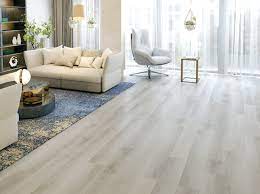
Waterproof With The Look Of Natural Stone Or Hardwood
There are many different types of Gym Flooring available for a home gym, but which ones are best?
Foam and rubber are two common options for a home fitness room. Both are durable and provide good shock absorption for exercises that require jumping and plyometric movements.
Vinyl tiles are another popular option for home gyms. They offer a warm and cushioned feel underfoot, are water and mold resistant, and are easy to clean. They are also a great choice for reducing noise in the gym, especially when combined with sound insulating carpet tiles and mats.
Ideal For Weightlifting
Luxury vinyl tile (LVT) is a waterproof option that looks and feels like natural stone or hardwood. It comes in a variety of colors and designs, and is easy to install over existing floors.
Cork is another all-purpose, low-pile carpet type that has a bit of give for comfort and can hold up to heavy traffic. It's also naturally antimicrobial and has ample sound absorption.
Synthetic turf is perfect for sled-pushing and crossfit, but it's not ideal for weightlifting. This type of gym floor is often used in commercial settings, and it's a bit more expensive than other options.
Available In Various Styles/Colors; Good Choice If Space
Hardwood is another good option for a Best Gym Flooring, as it's durable and has a high resistance level to shock. It is also a good option for sled-pushing and CrossFit, but it can be expensive.
Linoleum is another option for a home gym floor, as it's eco-friendly and relatively soft underfoot. It's available in a variety of styles and colors, and it's a good choice for a home gym that is going to get a lot of foot traffic.
Rubber is another excellent option for a home fitness room, as it offers great shock absorption and can be placed under equipment such as treadmills and weights. It's also water and sweat-resistant, easy to clean, and can protect your subfloor if it's thick enough.
Plastic is another option for a gym floor, as it can be cut to fit your space and is soft and malleable like rubber but not absorbent. It's also a good choice for sled-pushing and other high-impact activities, but it's not as durable as rubber or foam.
Carpet is another option for a home gym, as it can be easily replaced in case of damage or wear and tear. It's also a good choice if your space is relatively small and you want to limit the amount of maintenance it requires.
Conclusion:
When it comes to the type of flooring you choose for your home gym, the main considerations are cost, safety, and comfort. The type of flooring you use should be suited to the type of workout you're doing, the amount of time you plan to spend in the gym, and the size of your budget.


Comments
Post a Comment