How To Choose The Best Bamboo Flooring For Your Home That Has Become Increasingly Popular In Homes And Businesses?
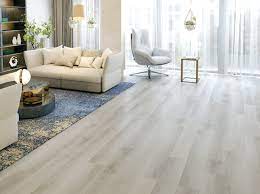
Bamboo Flooring has become increasingly popular in homes and businesses. It's an environmentally-friendly, low-maintenance material that comes in a range of stains, tones, and styles that can complement any decor. It's also very affordable and easy to install, which makes it a great choice for DIYers looking to transform their spaces.

How to Choose the Best Bamboo Flooring for Your Home
The first step is to choose the type of Bamboo Flooring you want to use. There are two main types of bamboo flooring: strand woven and engineered. Each has its own strengths and weaknesses, so you'll want to consider what features are important to you before you buy.
Regardless of the style you choose, all bamboo floors need time to stabilize inside your home. If you skip this waiting period, the floor will shift or show gaps that will need to be addressed. A moisture meter will tell you when the time is right, and most bamboo can stabilize within three to four days.
If you're installing over a wood subfloor, bamboo needs only a layer of 15-pound builder's felt to protect your subfloor from the floor's natural moisture. Installations over concrete require glue or float to hold the boards in place, but you should also seal the concrete before gluing it down so that moisture can't cause the glue to pop off or the planks to swell and buckle.
Engineered Bamboo
A more cost-effective option, engineered Best Bamboo Flooring is made by bonding a thin layer of bamboo to a plywood or MDF core that's installed over a foam underlayment. This flooring is a great choice for homeowners who want the natural look of bamboo, but who are worried about durability.
Some engineered bamboos are pre-finished, while others need to be sanded and refinished on site after they've been installed. You'll also need special sanding equipment and advanced dust filtration.
Using A Parquet-Style Pattern
Another way to get the look of bamboo without having to buy the actual planks is by using a parquet-style pattern. These flooring products are available in both solid and engineered forms and come in a variety of patterns, from traditional to modern. They're usually less expensive than engineered flooring and easier to install.
Whichever style you choose, keep in mind that it can be difficult to get a perfect fit, so take some time with your measurements before making your final selection. You'll want to make sure the flooring fits well in all the corners and along the wall. You'll also need to account for any areas that may be difficult to cut with a circular or hand saw, as the material can tear easily when it isn't installed correctly.
Conclusion:
Whether you're installing over concrete or over a hardwood subfloor, be sure to follow the manufacturer's instructions for proper installation. Many brands recommend a wait of at least 3 to 4 days for the flooring to stabilize, but it's worth taking the extra time and effort to ensure your new floor looks just as good in 20 years as it does now.


Comments
Post a Comment