What Are The Advantages and Disadvantages of Vinyl Flooring: A Comprehensive Guide?
Vinyl flooring has become a popular flooring option due to its durability, affordability, and versatility. In this blog post, we'll explore the advantages and disadvantages of vinyl flooring to help you make an informed decision.

Advantages of Vinyl Flooring
Durability: Vinyl Flooring is known for its durability and resistance to wear and tear. It can withstand heavy foot traffic and is a great choice for high-traffic areas.
Affordability: Vinyl flooring is typically less expensive than other flooring options, making it a cost-effective choice for homeowners and business owners.
Easy Installation: Vinyl flooring is easy to install and can often be installed over existing flooring, which can save time and money.
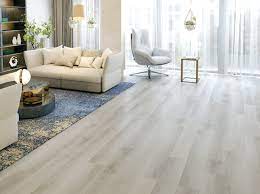
Versatile: Vinyl flooring comes in a variety of styles, patterns, and colors, so you can choose the perfect look to complement your home or business.
Low Maintenance: Vinyl flooring is easy to clean and maintain. It can be cleaned with a damp mop and a mild cleaning solution as needed.
Disadvantages of Vinyl Flooring
Environmental Impact: Vinyl Flooring Dubai can have an environmental impact due to the materials used in its production. Look for eco-friendly options that are made from recycled materials or are certified by environmental organizations.
Limited Lifespan: Vinyl flooring may not have the same lifespan as other flooring options, such as hardwood or tile.
Prone to Scratching: Vinyl flooring can be prone to scratching and may not be suitable for areas with heavy furniture or equipment.
Potential for Fading: Vinyl flooring can fade or discolor over time when exposed to direct sunlight.
Susceptible to Damage: Vinyl flooring can be susceptible to damage from sharp objects or heavy impacts.
Tips for Maintaining Vinyl Flooring
Regular Cleaning: Vinyl flooring should be swept or vacuumed regularly to remove dirt and debris. It can be cleaned with a damp mop and a mild cleaning solution as needed.
Avoid Harsh Chemicals: Avoid using harsh chemicals, such as bleach or ammonia, on vinyl flooring as they can damage the surface.
Protect from Sunlight: Vinyl flooring can fade or discolor over time when exposed to direct sunlight, so it's important to use window treatments or UV-blocking films to protect the flooring.
Use Furniture Pads: Use furniture pads to protect the flooring from scratches and damage caused by heavy furniture or equipment.
Reseal or Polish: Vinyl flooring may require occasional resealing or polishing to maintain its appearance and protect the surface from wear and tear.
Conclusion
Vinyl flooring is a popular and versatile flooring option that offers many benefits, including durability, affordability, and easy installation. However, it also has some disadvantages, such as environmental impact, limited lifespan, and susceptibility to scratching and damage. When choosing vinyl flooring, consider the advantages and disadvantages of the product and choose a high-quality product that is durable and resistant to wear and tear. To keep your vinyl flooring looking its best, regularly clean it, avoid harsh chemicals, protect it from sunlight, use furniture pads, and be prepared to occasionally reseal or polish it. With these tips, you can enjoy beautiful and functional vinyl flooring in your home or business for many years to come.


Comments
Post a Comment